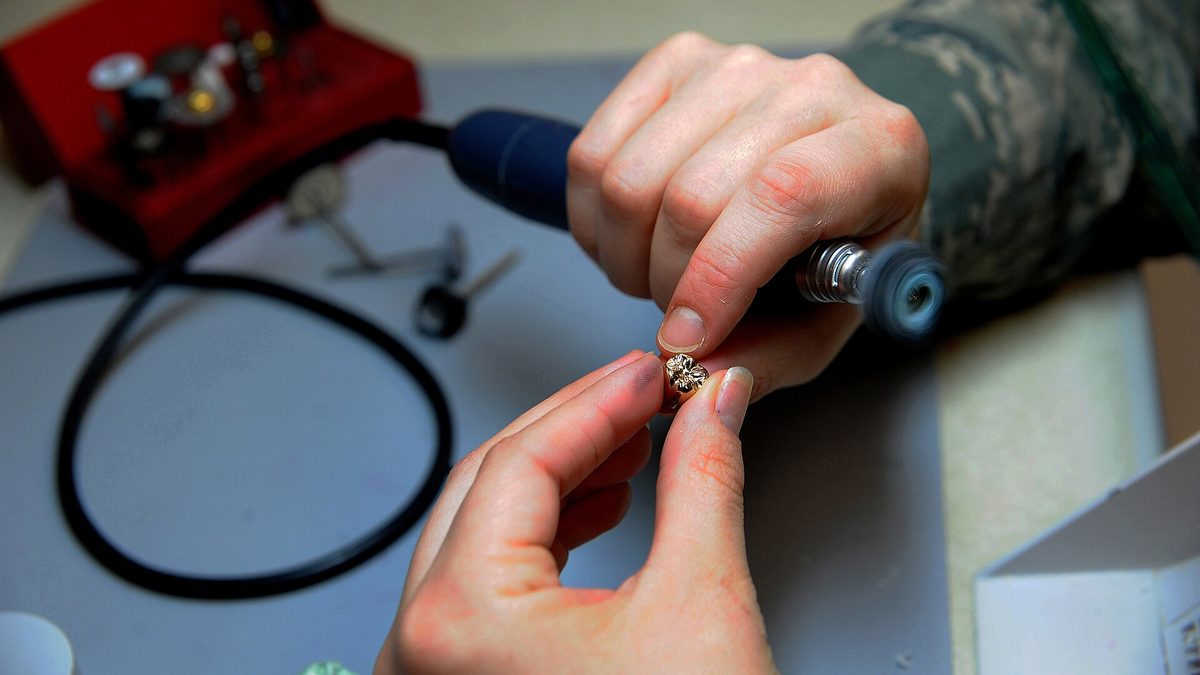
Photo: A1C Ashlee Galloway, U.S. Air Force, public domain, via Wikimedia Commons.
If your clinic sends crowns, bridges or dentures to an outside lab, you may never have asked who at that lab actually makes the work, or what qualification that person holds.
On 13 October 2026 the National Dental Commission said that question now matters. Its notice tells dentists to take lab work only from dental mechanics who hold a recognised qualification and a current State Dental Council registration. This article goes through what the notice says, what it does not say, and a short checklist for your current lab.
The document is Public Notice F.No. NDC/EDRB/Public Notice/2026/M-2662, dated 13 October 2026 and signed by a Member of the NDC's The NDC board that keeps the registers of dentists and dental auxiliaries and handles professional conduct.. It is addressed to registered dentists, dental institutions, laboratories and the general public, and its subject is "Restriction on Availing Dental Laboratory Services exclusively from Registered Dental Mechanics holding recognized qualifications."
It records three decisions from the Board's meeting of 23 September 2026:
It closes by saying that engaging unregistered or unqualified individuals or laboratories "violates professional standards and compromises the quality of patient care". The notice is a single scanned page, so it is quick to read in full.
The term comes from the National Dental Commission Act, 2023. Section 2(i) defines a dental mechanic as "a person qualified to perform laboratory work required for the prosthetic rehabilitation of dental and maxillofacial structures and orthodontic appliances". Section 2(f) lists the dental mechanic as one kind of A trained professional who supports dental care but is not a dentist. The Act names dental hygienists, dental mechanics and dental operating room assistants., alongside the dental hygienist and the dental operating room assistant.
So the notice is about the person doing the work, not the name on the lab's signboard or invoice. A lab with a smart website and a single qualified mechanic, whose other staff make most of the crowns, does not obviously meet it.
Section 30(7) of the Act requires every State Dental Council to maintain and update a The list each State Dental Council keeps of the hygienists, mechanics and other auxiliaries registered with it, separate from its register of dentists., separate from its register of dentists. Section 30(2) asks the Ethics and Dental Registration Board to keep a National Register for each category of auxiliary, and Section 30(6) says that register is to be made public on the Board's website, in a manner to be set by regulations.
Until you can look a mechanic up yourself, the practical route is to ask the lab for the registration certificate and check the number with the State Dental Council that issued it.
Read the wording carefully. The duty on the mechanic is written as "must hold" a registration. The line addressed to dentists says they "are advised to ensure" the work comes from such mechanics. The notice does not mention a fine, a penalty or any action against a dentist's own registration.
That is not the same as saying it can be ignored. Under Section 26(1)(b) of the Act, the Board that wrote it regulates the professional conduct of dentists, and it has said in writing that using an unregistered lab "violates professional standards". If a crown fails and a patient complains, being able to show that you checked your lab's mechanics is a much better position than not having asked.
A lab whose mechanics are qualified and registered should be able to produce these papers. If yours cannot, you have learned something useful before a patient complaint, not after it.
The National Dental Commission's public notice of 13 October 2026 says dental laboratory services can only be availed from dental mechanics with a recognised qualification and a valid registration with a State Dental Council or Tribunal. It advises registered dentists to ensure the prostheses and appliances they prescribe are made only by such mechanics.
The notice does not state a penalty, fine or registration consequence. It says that engaging unregistered or unqualified individuals or laboratories violates professional standards, and its wording to dentists is that they are advised to ensure compliance.
The notice asks for a valid and subsisting registration with a State Dental Council or Tribunal. It does not say the council must be the one in the dentist's own state.
Dentomate's Free plan keeps patient records for one clinic, with up to 20 new patients a month.